
Introduction: Ice as a Window into Earth’s History
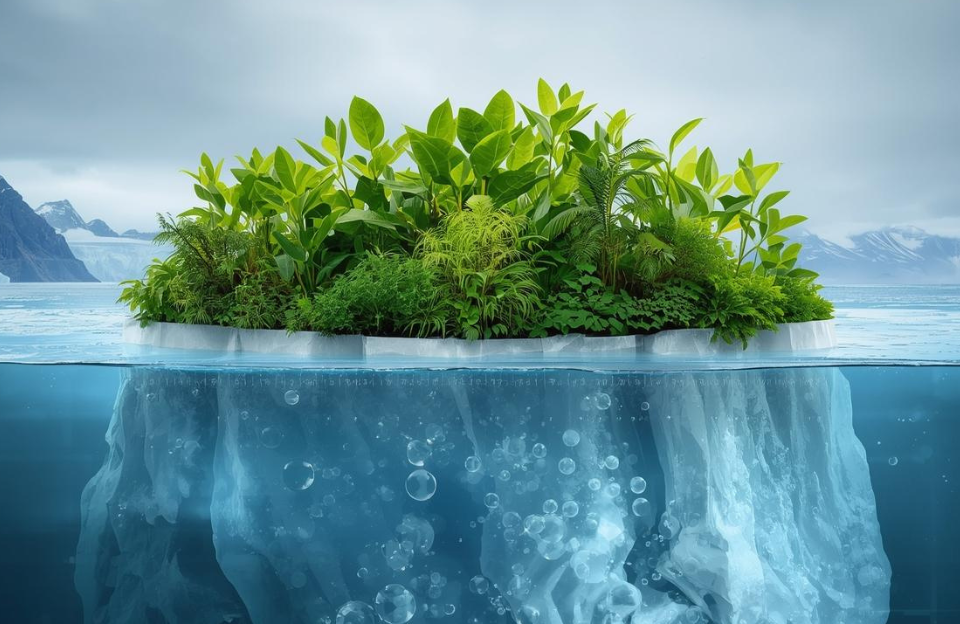
Antarctica is often thought of as a frozen, lifeless continent, but its ice sheets hold vital clues about life on Earth. Layers of ice don’t just record past temperatures and atmospheric gases—they also trap microscopic particles from continents far away, including pollen, spores, and plant debris.
By studying these frozen archives, scientists can track changes in vegetation over thousands of years. Recent research reveals a striking trend: plant growth on Earth is accelerating, driven by climate change and rising atmospheric carbon dioxide.
How Ice Tells the Story of Plant Life
When wind and storms transport pollen and spores from forests, grasslands, and deserts, these particles eventually settle on ice sheets in Antarctica. Over time, successive layers accumulate, preserving a chronological record of plant life from across the globe.
Key Insights from Antarctic Pollen
- The diversity and abundance of pollen reflect global plant growth
- Changes in plant types indicate shifts in climate and ecosystems
- Comparing historical layers with modern deposits shows trends over time
By examining these tiny remnants, scientists can reconstruct the history of Earth’s vegetation in remarkable detail.
Accelerating Plant Growth in the Modern Era
Studies of ice cores have revealed a recent surge in plant activity worldwide. Increased carbon dioxide, warmer temperatures, and longer growing seasons are major contributors.
What the Data Shows
- A sharp rise in pollen accumulation in recent decades
- Rapid expansion of forests and grasslands in some regions
- Shifts in plant species distributions as ecosystems adapt to climate change
This acceleration is not uniform—some areas see slowed growth due to drought, deforestation, or soil degradation—but the overall global trend is clear.
Why This Matters for Climate and Ecosystems
Increased plant growth might sound positive, but it has complex implications.
Potential Impacts
- Carbon cycle: More plants can absorb more CO₂, partially offsetting emissions
- Ecosystems: Rapid growth may favor some species over others, altering biodiversity
- Climate feedbacks: Shifts in vegetation can affect regional climates and weather patterns
Monitoring these trends helps scientists predict how ecosystems and the carbon cycle will respond to future climate change.
Antarctic Ice: A Unique Global Lens
Antarctic ice offers a rare vantage point: it captures pollen from continents thousands of miles away, giving a truly global perspective on plant growth. Unlike localized studies, these ice cores reveal patterns and trends that span the entire planet.
By combining ice core data with satellite observations and ecological monitoring, researchers can build a more complete picture of how Earth’s biosphere is changing.
Final Thoughts: Lessons from the Frozen Continent
Antarctic ice is more than a frozen landscape—it is a time capsule holding evidence of life across the planet. Its pollen records tell a story of accelerating plant growth, driven by human activity and climate change.
Understanding these trends is crucial. While more greenery may seem beneficial, rapid changes in ecosystems can have far-reaching consequences for biodiversity, climate stability, and human society. In Antarctica’s frozen silence, the story of Earth’s shifting plant life speaks loudly—and urgently—to the world below.