
Introduction: When Accidents Meet Innovation
Breaking a glass is one of those everyday mishaps that feels unavoidable. Whether it slips from your hand while washing dishes or tips over during a busy gathering, the result is the same—shards on the floor and one less glass in the cupboard. Today, the solution is simple: clean up and buy a replacement. But in the not-so-distant future, that broken glass might not mean a trip to the store at all. Instead, you could design and 3D-print a brand-new glass right at home.
What once sounded like science fiction is rapidly becoming a realistic possibility, thanks to advances in 3D printing materials, design software, and manufacturing techniques.
How 3D Printing Is Changing Everyday Objects
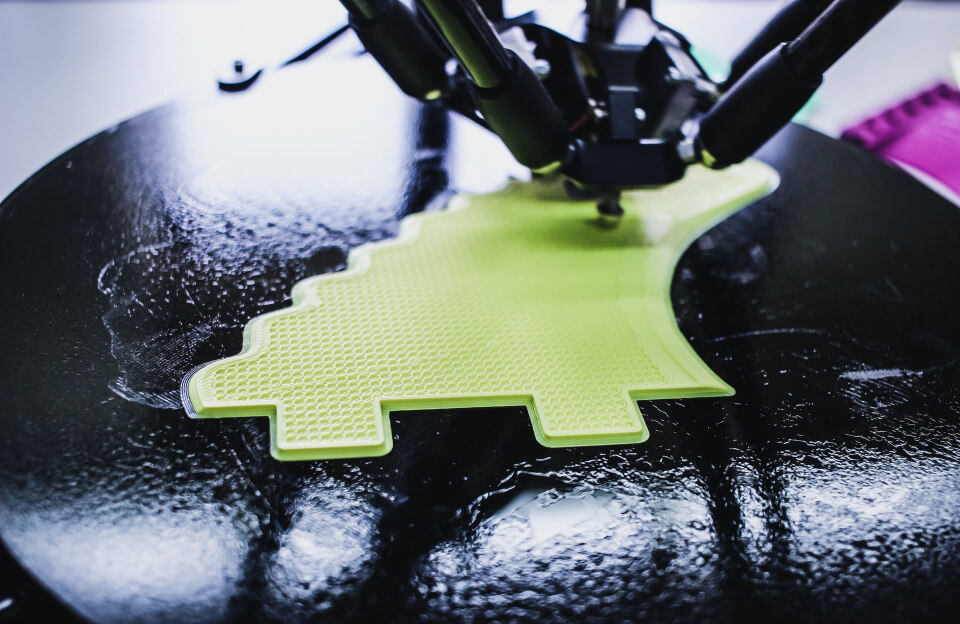
3D printing, also known as additive manufacturing, builds objects layer by layer from a digital design. It has already transformed industries such as aerospace, healthcare, construction, and fashion. Now, it’s moving closer to our kitchens and dining tables.
Why 3D Printing Makes Sense for Household Items
- It allows on-demand production
- Reduces waste from mass manufacturing
- Enables customization of size, shape, and design
- Eliminates the need for large inventories
Instead of relying on factory-made products shipped across the world, households could one day produce replacements locally, quickly, and efficiently.
Can You Really 3D Print Glass?
The idea of printing glass may sound impossible, but it’s already happening in research labs and specialized industries.
The Science Behind 3D-Printed Glass
Traditional glass requires extremely high temperatures to melt and shape. New experimental printers use:
- Molten glass extrusion
- Laser-based sintering
- Advanced silica-based materials
These methods allow glass to be shaped with precision that is difficult or even impossible using traditional glassblowing techniques.
Current Limitations
- Glass-printing printers are expensive
- The process requires very high heat
- Consumer-friendly versions are still under development
For now, this technology is mostly used in industrial design, architecture, and scientific research—but that’s changing fast.
The Rise of Glass-Like 3D Printing Materials
While true glass printing is still emerging, glass-like alternatives are already accessible.
Common Materials Used Today
- Transparent resins
- PETG and acrylic-based filaments
- Composite materials with glass fibers
These materials can produce objects that look and feel similar to glass, making them suitable for cups, vases, and decorative items.
Benefits of Glass-Like Prints
- Shatter-resistant
- Lightweight
- Customizable designs
- Safer for homes with children
Although they may not fully replace traditional glass yet, they offer practical advantages that standard glass cannot.
Customization: A Major Advantage
One of the most exciting aspects of 3D printing is customization.
What You Could Customize
- Glass size and thickness
- Handle shape or grip texture
- Decorative patterns
- Personalized engravings
Instead of settling for a generic replacement, you could create something uniquely yours—matching your style, needs, or even the exact glass you broke.
Environmental Impact and Sustainability
Replacing broken items usually means more manufacturing, packaging, and transportation. 3D printing could significantly reduce this footprint.
Why It’s More Sustainable
- Produces only what is needed
- Reduces shipping emissions
- Encourages repair and replacement over disposal
- Supports local or home-based manufacturing
In the long term, this could help reduce household waste and promote a more circular economy.
When Will This Be a Reality for Homes?
While printing a glass at home isn’t mainstream yet, progress is accelerating.
What to Expect in the Coming Years
- More affordable multi-material printers
- Improved food-safe printing materials
- Easier design software for everyday users
- Community libraries of printable household items
Just as paper printers became common in homes, 3D printers are slowly following the same path.
Final Thoughts: A Glimpse Into the Future
The next time a glass breaks, it may not feel like a loss at all. Instead of throwing it away and buying another, you might simply open a design file, load a printer, and create a replacement within hours. While we’re not fully there yet, the idea of 3D-printing everyday items like glassware is no longer a distant dream—it’s an approaching reality.
As technology continues to evolve, small household accidents may soon become opportunities for creativity, sustainability, and innovation.