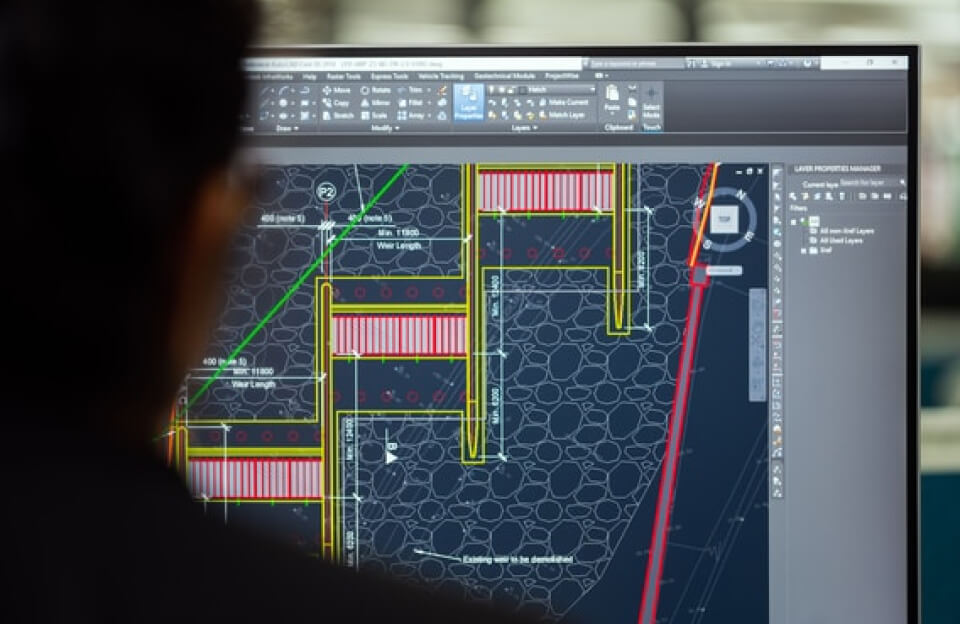
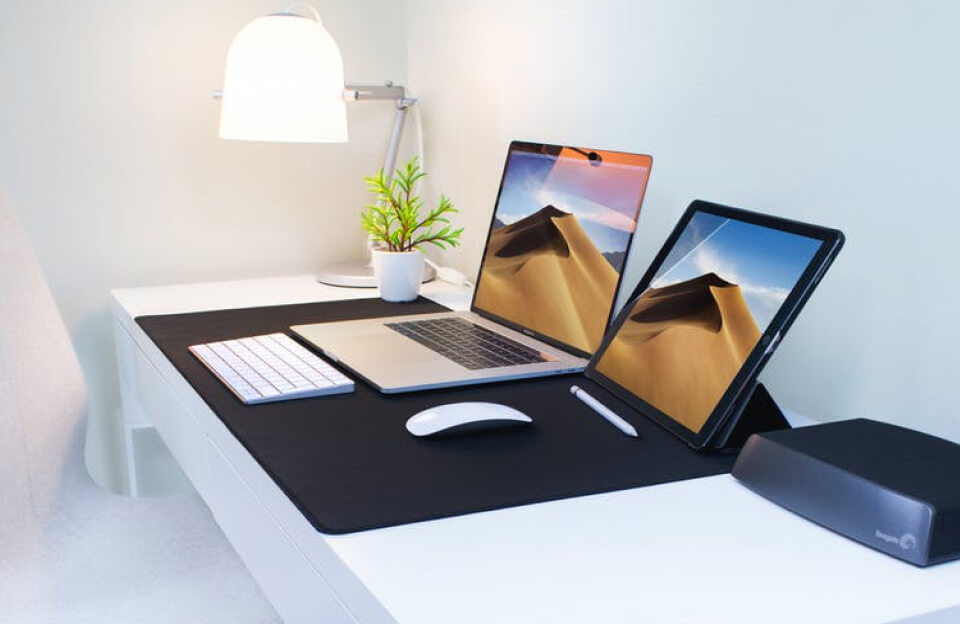
In a world where software ecosystems often overlap, many users find themselves needing access to both macOS and Windows 10. While macOS is favored for its stability, design, and creative tools, Windows 10 remains essential for enterprise software, engineering tools, and gaming. Instead of maintaining two separate machines, running both operating systems on a single device offers a powerful and cost-effective solution.
This guide covers everything you need to know about running macOS and Windows 10 on one computer, including available methods, hardware requirements, benefits, and potential drawbacks.
Why Run macOS and Windows 10 on One Device?
There are several compelling reasons to use both operating systems together:
- Access OS-specific software without switching machines
- Save money on hardware
- Test applications across platforms
- Maintain a streamlined workflow
- Improve productivity for developers, designers, and IT professionals
Whether you are a student, creative professional, or power user, combining macOS and Windows 10 can significantly enhance flexibility.
Understanding Your Hardware Options
Before choosing a setup, it’s important to understand your device type:
Intel-Based Macs
- Support both dual booting and virtualization
- Compatible with Apple Boot Camp
- Ideal for running full versions of Windows 10
Apple Silicon Macs (M1, M2, M3)
- Do not support Boot Camp
- Rely on virtualization solutions
- Run Windows 10 (ARM) via emulation
Non-Apple PCs
- Can run Windows natively
- macOS installation requires a Hackintosh setup
- Best suited for advanced users
Method 1: Dual Booting macOS and Windows 10
What Is Dual Booting?
Dual booting installs macOS and Windows 10 on separate partitions of the same drive. At startup, you select which operating system to load.
Tools Used
- Boot Camp Assistant (Intel Macs)
- OpenCore or Clover (custom builds)
Advantages
- Full hardware performance
- Ideal for gaming and intensive applications
- No virtualization overhead
Disadvantages
- Requires rebooting to switch OS
- Disk partitioning can be risky if done incorrectly
- Not supported on Apple Silicon Macs
Best for: Users who need maximum performance and don’t frequently switch between systems.
Method 2: Virtualization
What Is Virtualization?
Virtualization allows one operating system to run inside another using virtual machine software.
Popular Virtualization Software
- Parallels Desktop
- VMware Fusion
- VirtualBox
Advantages
- Run macOS and Windows simultaneously
- Easy file sharing
- Fast switching between environments
Disadvantages
- Reduced performance
- Higher RAM and CPU usage
- Limited support for high-end gaming
Best for: Developers, office users, and testers who prioritize convenience.
Method 3: Running Windows 10 on Apple Silicon Macs
With Apple’s shift to ARM-based processors, running Windows works differently.
Key Details
- Windows runs as Windows 10 ARM
- Parallels Desktop provides the best experience
- x86 applications run through emulation
Pros
- Excellent battery efficiency
- Smooth virtualization performance
- Strong integration with macOS
Cons
- Some apps and drivers may not be compatible
- Gaming support is limited
Best for: Productivity tasks and cross-platform development.
Method 4: Hackintosh Dual-OS Setup
A Hackintosh is a PC configured to run macOS alongside Windows.
Advantages
- Custom hardware configurations
- Dual boot capability
- Cost-effective high-performance setups
Disadvantages
- Complex installation
- No official support
- macOS updates may cause instability
Best for: Advanced users and enthusiasts.
Hardware Requirements
For the best experience running both operating systems:
- Minimum 16 GB RAM
- 512 GB SSD or larger
- Modern multi-core CPU
- Dedicated GPU (optional, but recommended)
Virtual machines benefit significantly from higher RAM and fast storage.
Common Use Cases
| User Type | Recommended Setup |
|---|---|
| Developers | Virtualization |
| Gamers | Dual Boot |
| Designers | Virtualization |
| IT Professionals | Dual Boot or VM |
| Apple Silicon Users | Virtualization |
Security and Data Management Tips
- Always back up data before partitioning
- Use antivirus protection on Windows
- Keep both operating systems updated
- Avoid sharing system-level files between OSs
Final Thoughts
Running macOS and Windows 10 on one device is no longer a complicated or risky endeavor. With modern tools and powerful hardware, users can seamlessly enjoy the strengths of both platforms. Whether you choose dual booting for performance or virtualization for convenience, the right setup depends on your workflow and technical comfort level.